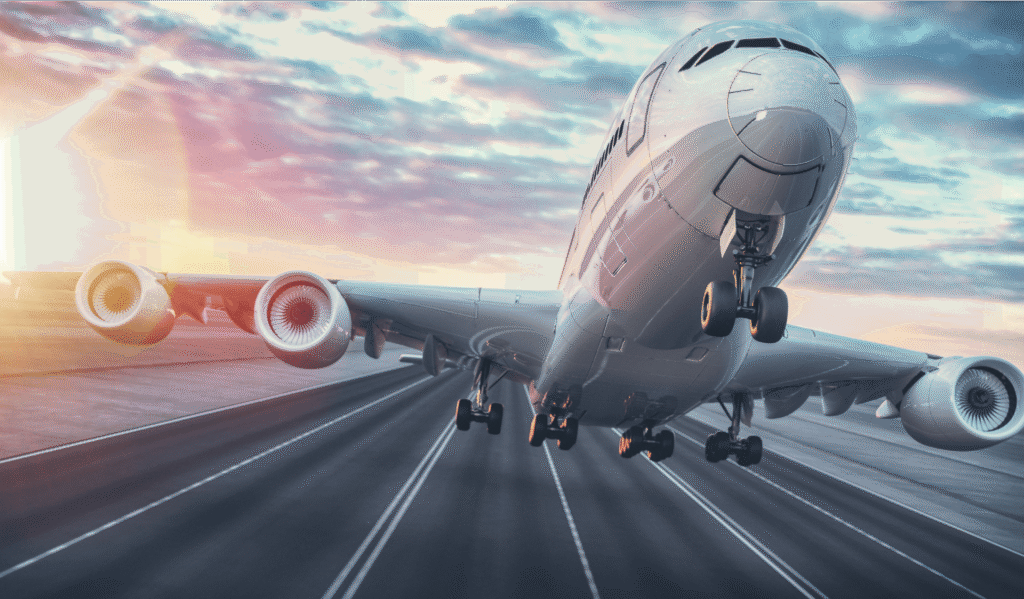
Aviation is one of the most transformative developments in human history, fundamentally changing how people, goods, and ideas move across the globe. From the early experiments of the Wright brothers to today’s advanced jetliners and emerging electric aircraft, aviation represents a blend of engineering excellence, scientific innovation, and global connectivity.
What is Aviation?
Aviation refers to the design, development, production, operation, and use of aircraft—especially heavier-than-air machines like airplanes and helicopters. It encompasses both civil aviation (commercial airlines, cargo transport, private jets) and military aviation (fighter jets, surveillance aircraft, and defense systems).
How Aviation Works
At its core, aviation is based on the principles of aerodynamics. Four fundamental forces act on an aircraft during flight:
Lift – Upward force generated by the wings
Weight – The force of gravity pulling the aircraft down
Thrust – Forward force produced by engines
Drag – Air resistance opposing motion
Balancing these forces allows an aircraft to take off, cruise, and land safely.
Importance of Aviation
Aviation plays a critical role in modern society:
Global Connectivity – Enables fast international travel
Economic Growth – Supports tourism, trade, and logistics
Emergency Services – Used in medical evacuations and disaster relief
Defense & Security – Essential for national protection
Without aviation, globalization as we know it would not exist.
Types of Aircraft
Aviation includes a wide variety of aircraft, each designed for specific purposes:
Commercial Airplanes – Passenger transport (e.g., Boeing, Airbus)
Cargo Aircraft – Transport goods worldwide
Helicopters – Used in rescue, military, and short-distance travel
Private Jets – Luxury and business travel
Drones (UAVs) – Surveillance, delivery, and photography
Modern Innovations in Aviation
The aviation industry is rapidly evolving with new technologies:
Electric Aircraft – Reducing carbon emissions
Sustainable Aviation Fuel (SAF) – Eco-friendly fuel alternatives
Autonomous Flight Systems – AI-based navigation
Supersonic Travel – Faster-than-sound commercial flights (making a comeback)
These innovations aim to make aviation more efficient, safe, and environmentally friendly.
Challenges in Aviation
Despite its advancements, aviation faces several challenges:
Environmental Impact – Carbon emissions and climate change
High Operational Costs – Fuel, maintenance, and infrastructure
Safety Regulations – Strict global compliance requirements
Air Traffic Congestion – Increasing number of flights worldwide
Addressing these issues is crucial for sustainable growth.
The Future of Aviation
The future of aviation looks promising and technologically advanced. Concepts like urban air mobility (flying taxis), fully electric planes, and AI-driven air traffic control are already under development. With continuous innovation, aviation is expected to become faster, cleaner, and more accessible.
Conclusion
Aviation is more than just flying—it is a symbol of human progress and innovation. It connects continents, drives economies, and opens new possibilities for exploration. As technology continues to evolve, aviation will remain at the forefront of global development, shaping how we experience the world.
Whether for travel, trade, or technology, aviation continues to elevate humanity—quite literally—to new heights.